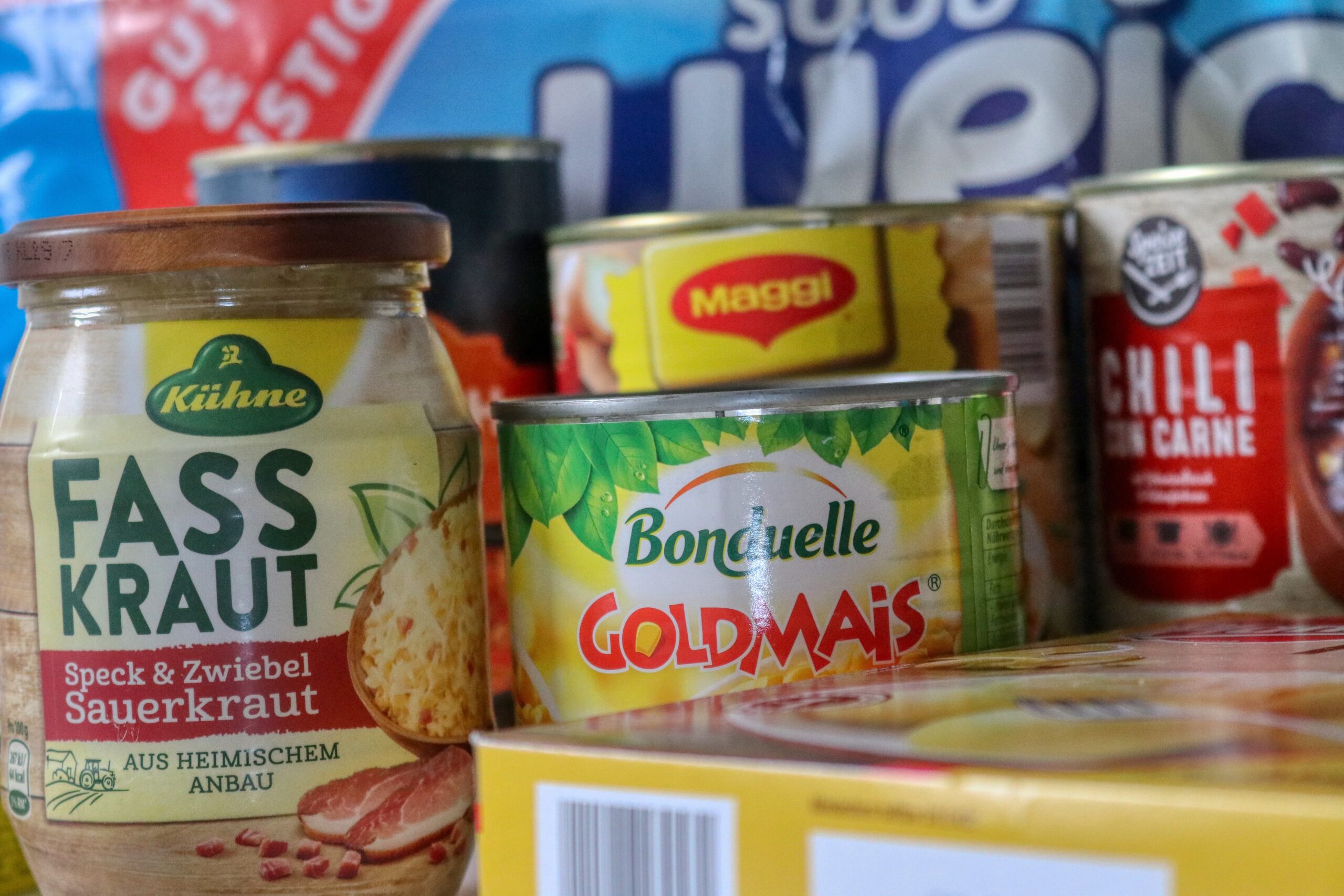
We’ve all seen it: a storm warning hits, and suddenly the local grocery store looks like a scene from a movie. The bread is gone, the milk is cleared out, and the tension in the checkout line is palpable. Food security means planning ahead to prevent this issue.
As parents, that feeling of “not having enough” is the ultimate stressor. But prepping isn’t about building an underground bunker or waiting for the end of the world. It’s about insurance. It’s about knowing that if a job loss happens, a supply chain hiccup occurs, or a hurricane knocks out the power, your kids won’t even notice a change in their dinner menu.
Let’s look at how to stop “panic-buying” and how to create a Deep Pantry that keeps your family fed, happy, and calm.
1. Action First: The 15-Minute Quick Start
Don’t wait until you have a $500 budget to start. Food security can start with really small steps.
-
The “Plus One” Method: Next time you’re at the store, buy one extra of your staples—peanut butter, pasta, or coffee. It costs $5 today, but it’s one less thing to worry about tomorrow.
-
The 3-Day Water Sprint: Go to the kitchen right now and fill up any clean, food-grade containers with water. If the taps stopped today, would you have enough for 72 hours?
-
Audit Your Favorites: List the 10 meals your family actually likes. Don’t buy “survival wheat” if your kids only eat mac and cheese. Prep what you eat.
2. Infrastructure: Food Security Storage for the Long Haul
A deep pantry is only useful if the food stays fresh. You can’t just throw bags of flour on a garage floor and hope for the best. Pests, moisture, and temperature are the enemies of your investment.
When you’re ready to get serious about organization, you need to look at your containment strategy. From Mylar bags for 25-year staples to airtight glass for your weekly rotation, the right vessel is what turns a “pile of food” into a “functional system.”
Dive Deeper: Best Food Storage Containers for Long Term
3. Building Your Inventory
Where do you start? You need a mix of “Working Pantry” items (stuff you use every week) and “Deep Cache” items (long-term staples).
If you’re feeling overwhelmed by the math of how many calories a family of five actually needs for a month, start with a proven template. Having a list takes the emotion out of the shopping trip and ensures you aren’t ending up with 40 cans of beets but no protein.
Get the List: The Essential Emergency Food Supply List
4. The “Hungry Teenager” Reality
Standard prepping guides often suggest 2,000 calories per person, per day. If you have teenagers in the house, you know that’s a joke.
A growing teen can easily put away 3,500 calories, especially during high-stress situations or physical labor. When building your fortress pantry:
-
Double the Protein: Beans and rice are the foundation, but shelf-stable proteins (canned meats, jerky, protein powders) are what keep energy levels steady. Not just for your growing kids, but for you, too!
-
Morale Matters: Preparedness isn’t just about calories; it’s about comfort. Stocking spices, chocolate, and popcorn can be the difference between a miserable week and a “candlelight picnic” memory for your kids.
Speaking of staples, the secret to a successful long-term pantry is knowing how to make basic ingredients taste like a gourmet meal. Here are some of my articles on doing just that:
10 Ways to Prepare Rice and Beans (That They’ll Actually Eat)
How to Make Powdered Milk Taste Better
5. Beyond the Grocery Store: Self-Reliance
Once your pantry is stocked, the next level is learning to preserve what you grow or what you find at the farmer’s market. This is how you move away from being a consumer and start being a producer.
Whether it’s seasonal canning or learning to store autumn harvests, these skills ensure your pantry is constantly being replenished with fresh, nutrient-dense food. Check out the articles below to learn more.
How to Preserve Pumpkin for Year-Round Use
6. The “Wildcard”: Living Food
Even with a perfect pantry, you’ll eventually crave something fresh. If you don’t have a massive backyard for a garden, look at Countertop Sprouting. You can grow fresh, “living” greens in a mason jar in just 3 to 5 days. It’s a massive nutritional boost that requires zero soil and almost no space.
Whether or not you have a garden space, you have lots of options for growing fresh food. You can get started below:
Ready to protect your family?
A Deep Pantry is the ultimate peace of mind. Start small, buy what you love, and remember: Action over perfection. Every extra can of soup on your shelf is a win for your family’s security.
Which part of your pantry are you focusing on this week?